


Our work
From data to testimony, from testimony to accountability
HERA works on a link that is too often overlooked: the moment environmental degradation turns into human displacement — and the decisions behind it.


Human
Environmental displacement is, above all, a human experience. We document the testimony of affected communities — with informed consent and with their safety first — and set it alongside the data.
- Ethical documentation of testimony
- Rights of displaced people and host communities
- Internal and cross-border migration
).jpg)
Environment
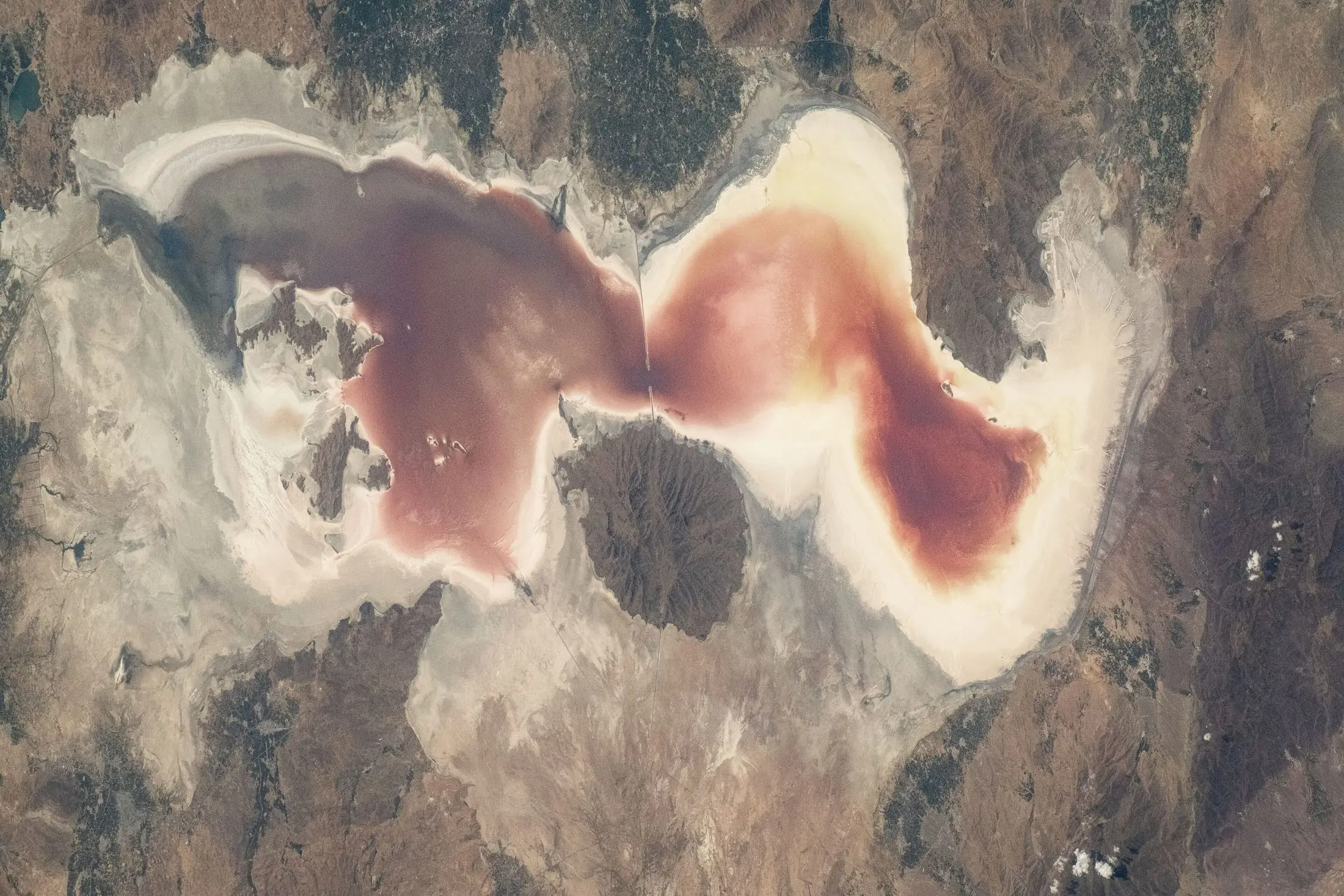
We track drying lakes and wetlands, land subsidence, dust storms and soil erosion using satellite, statistical and field data.
- Satellite and open-data analysis
- Water, soil and air
- Climate change and desertification


Resilience
Knowledge that never reaches communities does not help them. We create training, workshops and open resources so that evidence becomes a tool.
- Educational workshops and seminars
- Open, bilingual learning resources
- Dialogue with communities and researchers


Accountability
Many environmental disasters are not natural; they are the result of decisions. We analyse the policies, projects and choices behind environmental harm, and put evidence-based questions to those responsible.
- Policy and project analysis
- Document-based reporting
- Non-partisan public policy dialogue
First research focus
Water, land and displacement in Iran and the region
Lake Urmia, once one of the largest saltwater lakes in the world, has lost a large share of its water over recent decades. The Hamoun wetlands on the Iran–Afghanistan border have repeatedly dried out, sending storms of sand and salt into surrounding villages.
These are not only environmental crises: each one has reshaped the lives, livelihoods and decisions to stay or leave of thousands of people. HERA is dedicating its first research programme to this link, and will publish its findings openly in English and Persian.
Our research ethics
Informed consent
No testimony is published without clear consent that can be withdrawn.
Safety of contributors
We protect the identity of people at risk; anonymity is the default.
Open methods
We publish the data, methods and limitations alongside every study.
Peer review
Major reports are reviewed by independent experts before publication.
Coming next
HERA Atlas
An interactive map of the links between environmental harm and displacement, built on open data.
Voices archive
Documented testimony from affected communities, under a full ethical protocol.
Publications
Research reports and policy briefs with permanent identifiers (DOI).
A researcher or partner organisation?
If you work on related questions, we would love to talk.