


).jpg)


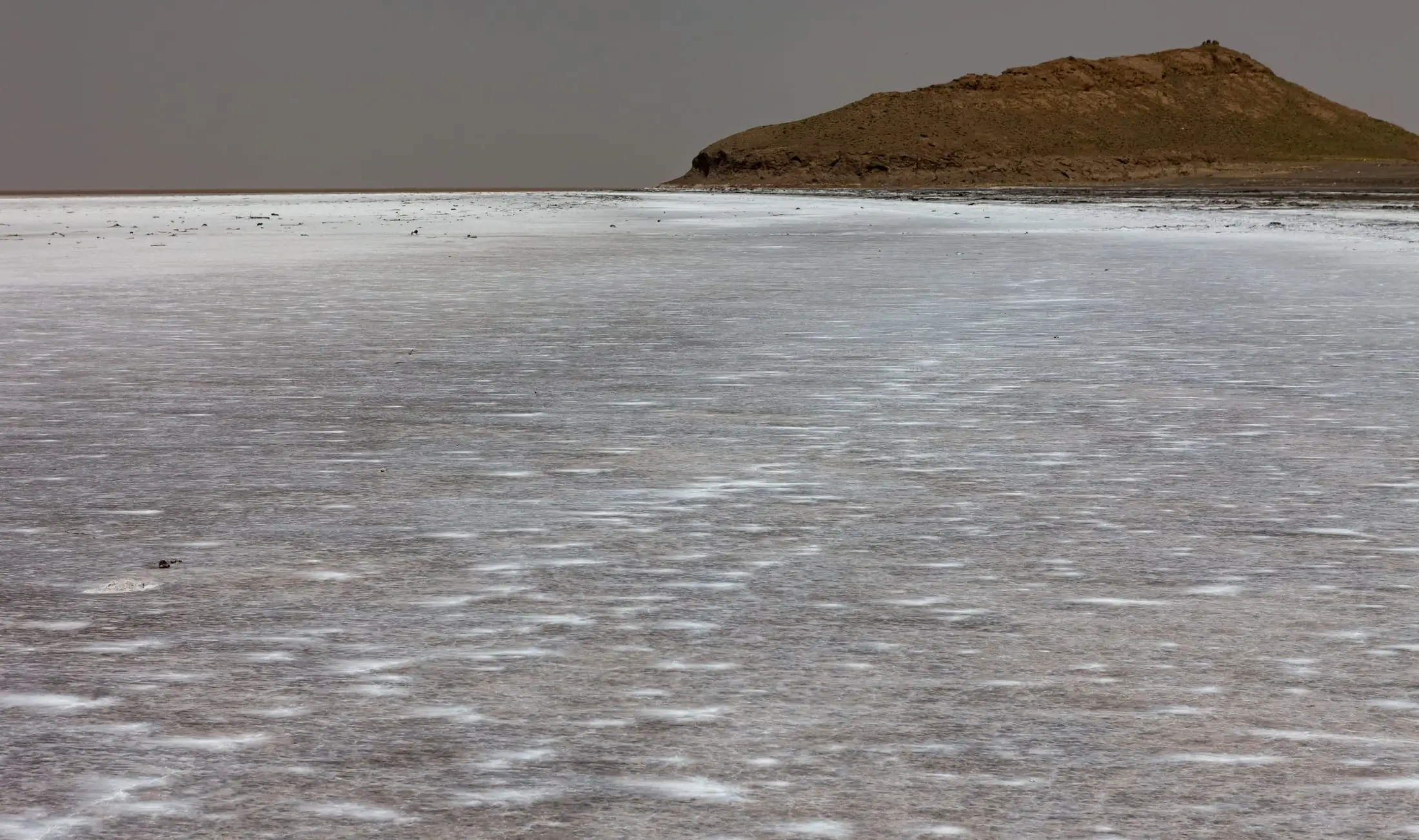
North-west Iran
Lake Urmia
Once one of the largest saltwater lakes on Earth. Reduced rainfall and water extraction for farming have turned much of it into salt flat.

 HERA — Home
 English EN
Our work
HERA works on a link that is too often overlooked: the moment environmental degradation turns into human displacement — and the decisions behind it.
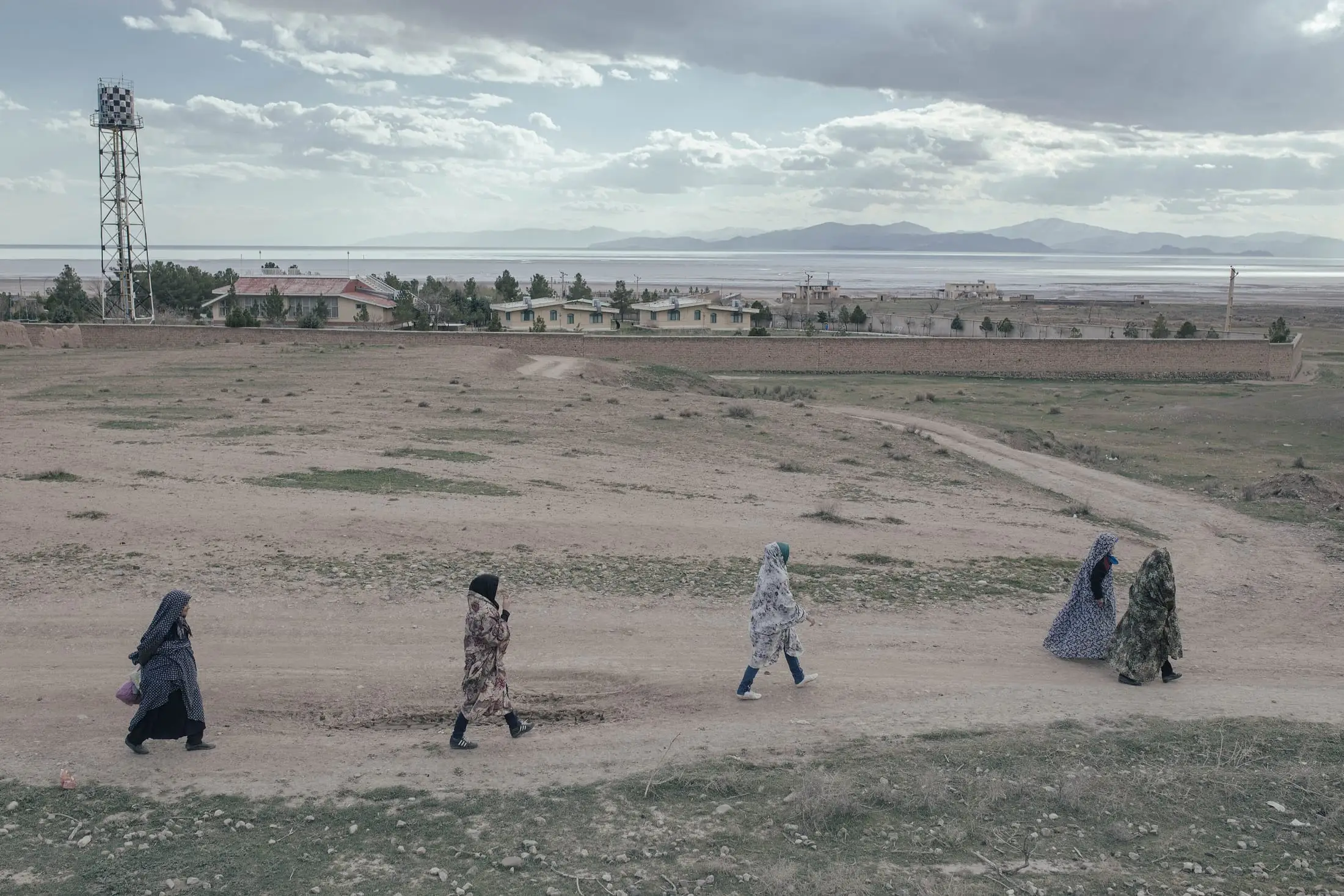
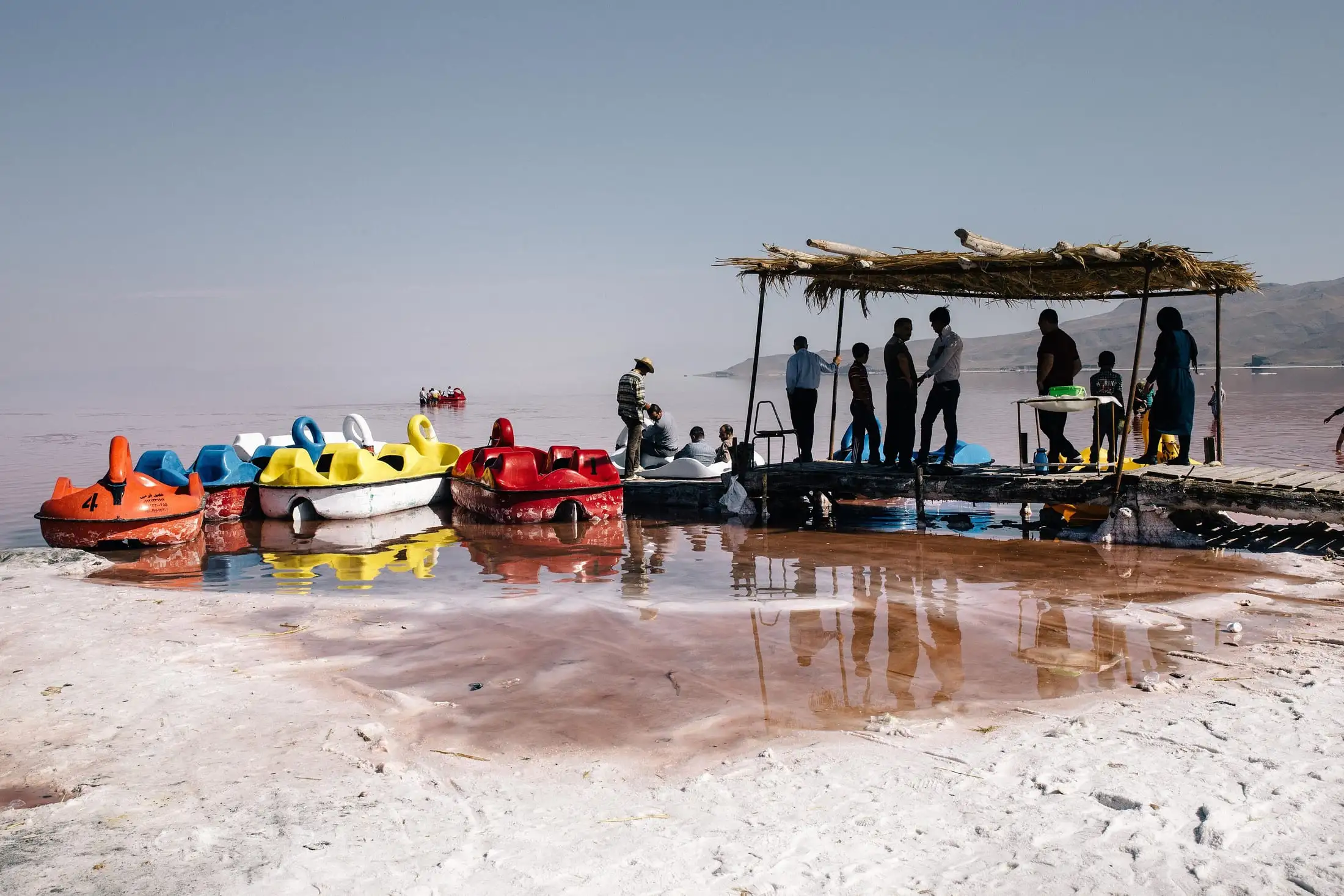
Environmental displacement is, above all, a human experience. We document the testimony of affected communities — with informed consent and their safety first — and set it alongside the data.
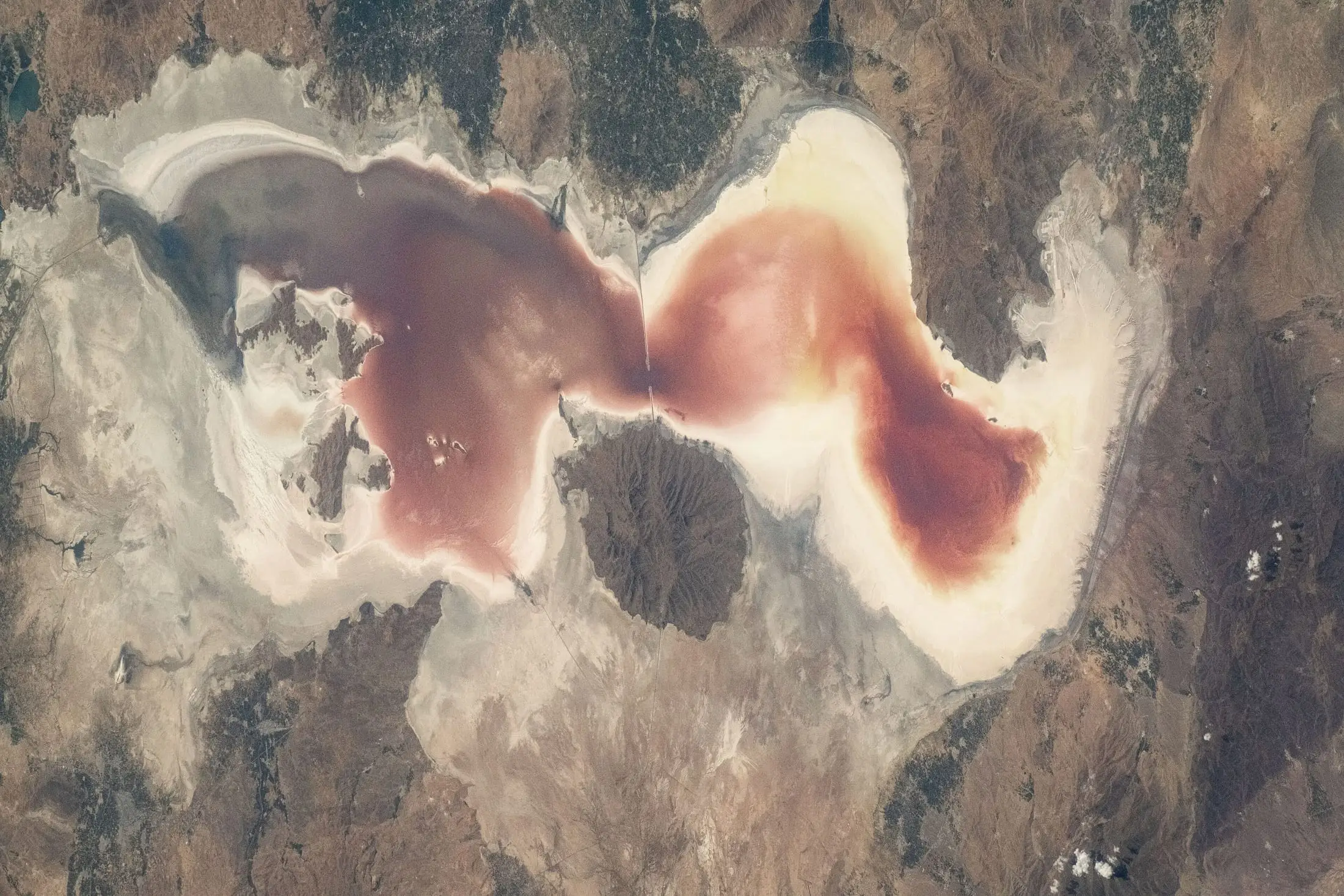
We track drying lakes and wetlands, land subsidence, dust storms and soil erosion using satellite, statistical and field data.
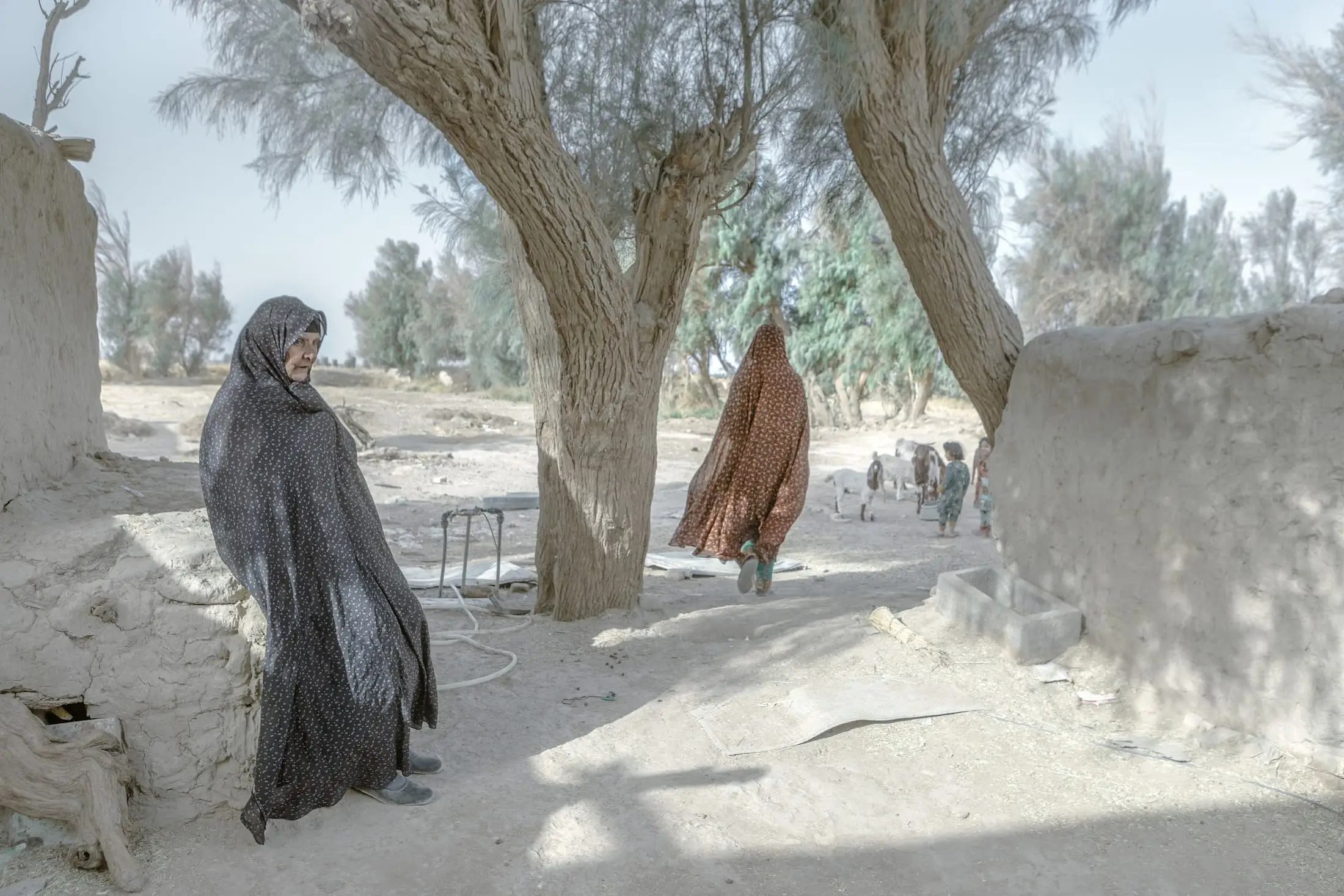
Knowledge that never reaches communities does not help them. We create training, workshops and open resources so that evidence becomes a tool.
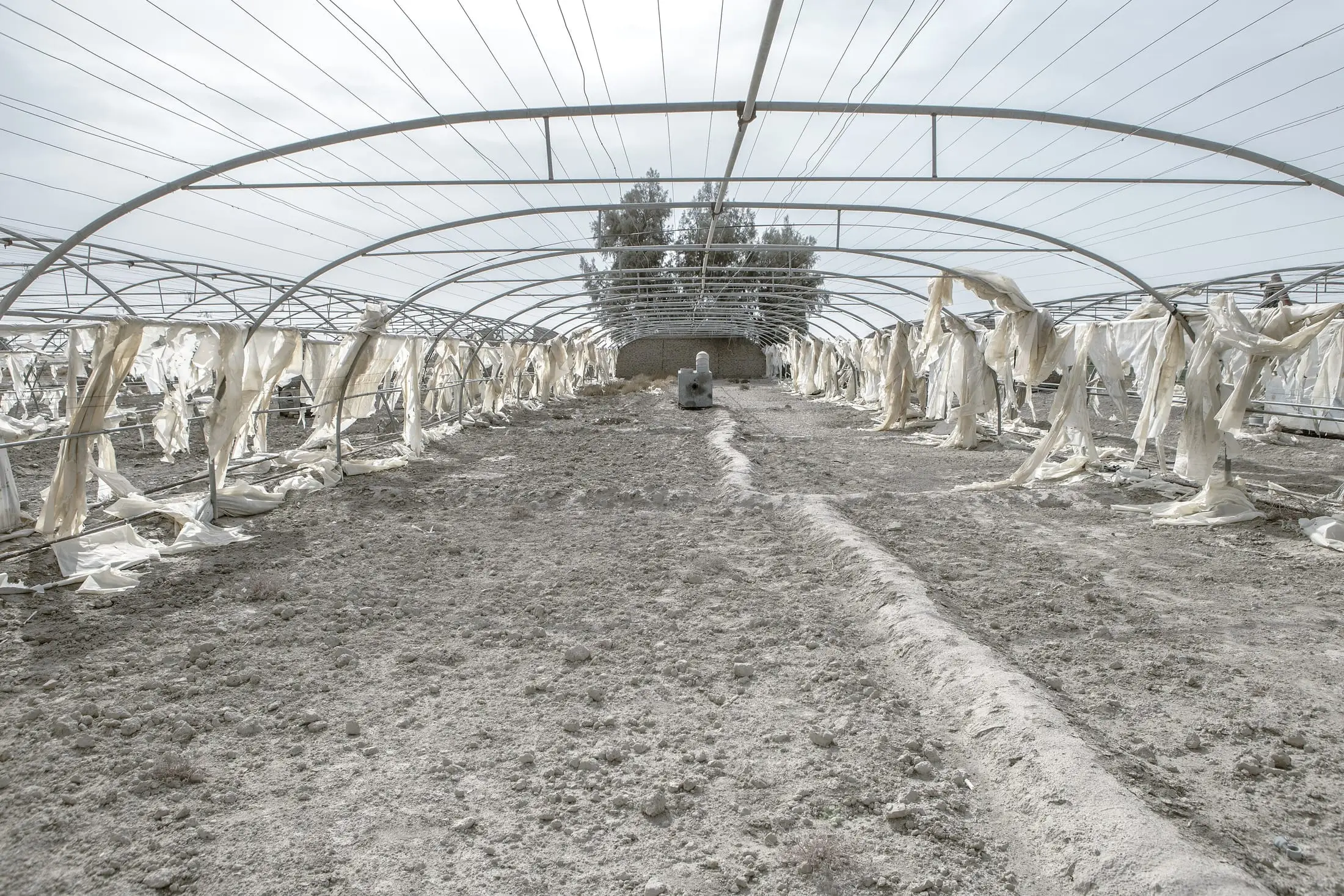
Many environmental disasters are not natural; they are the result of decisions. We analyse the policies, projects and choices behind environmental harm, and put evidence-based questions to those responsible.
First research focus
HERA’s mandate is global. Our first research programme begins in Iran and the wider region — where environmental collapse and the absence of accountability reinforce each other.
Once one of the largest saltwater lakes on Earth. Reduced rainfall and water extraction for farming have turned much of it into salt flat.
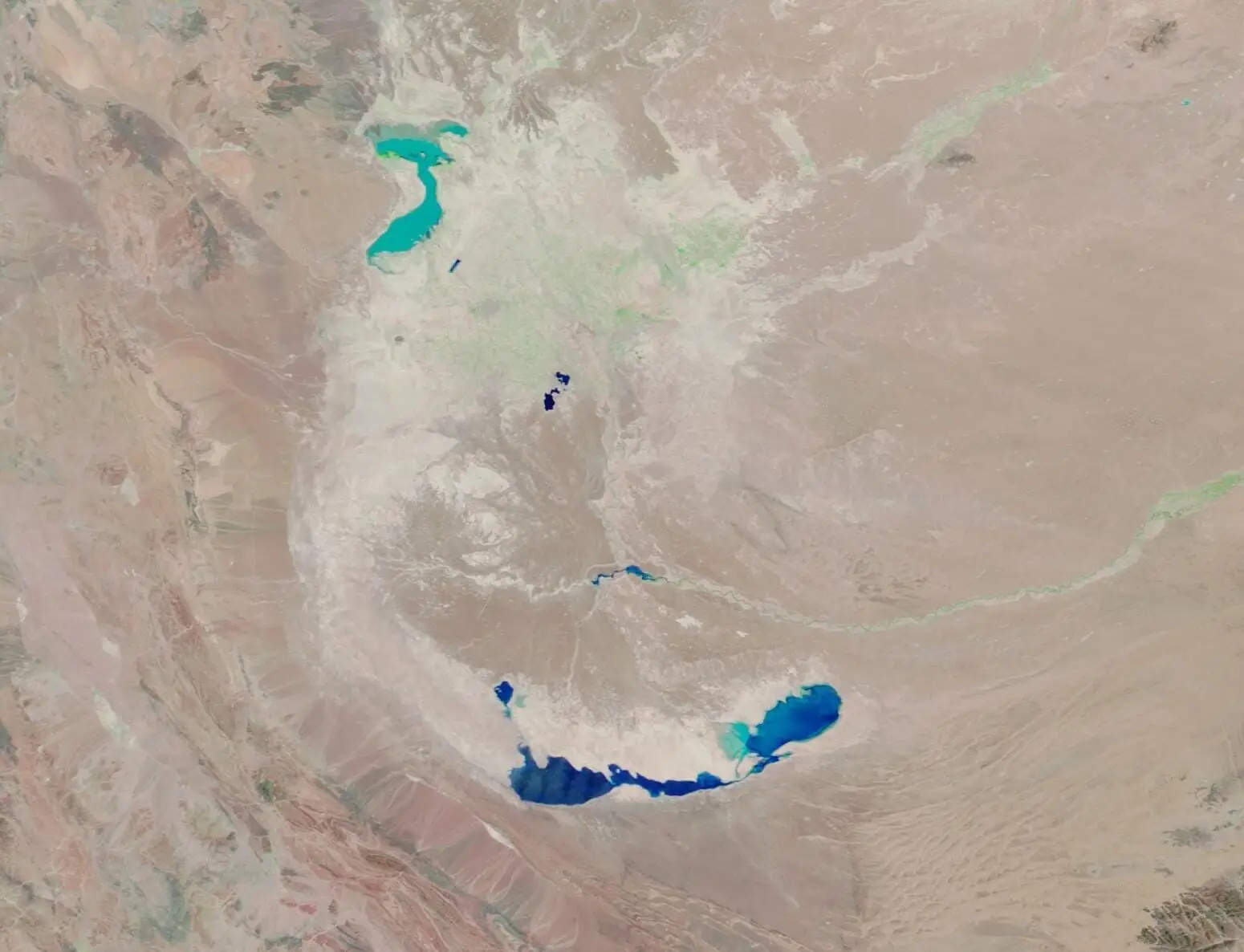
Fed mainly by the Helmand River, the Hamoun lakes have dried out repeatedly since the severe drought at the end of the 1990s.
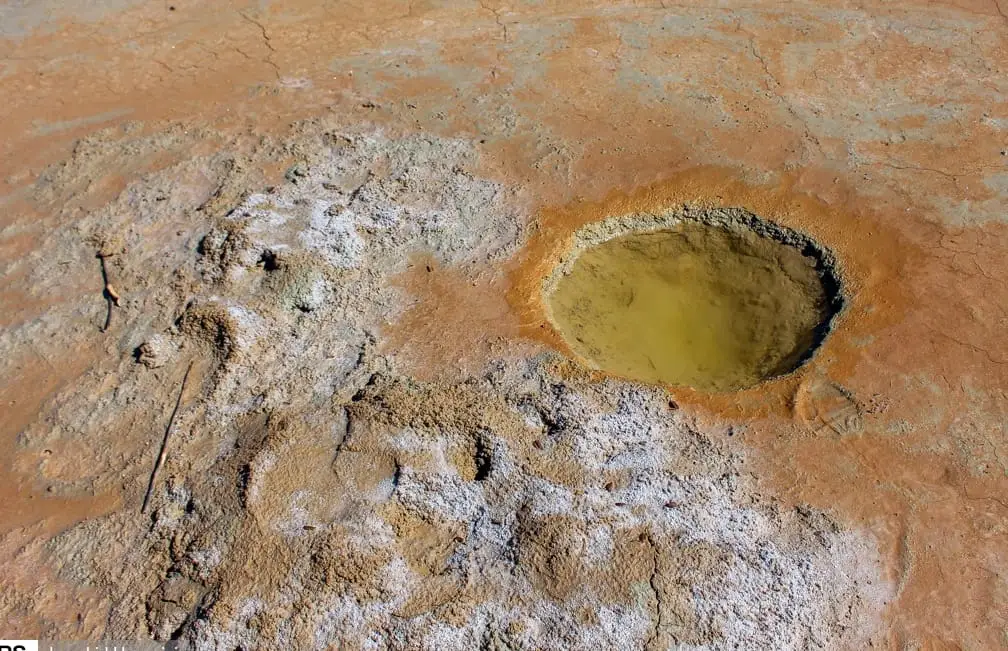
Isfahan’s river has run dry through the city for long periods, and the Gavkhouni wetland at its end — a wetland of international importance — has largely dried.
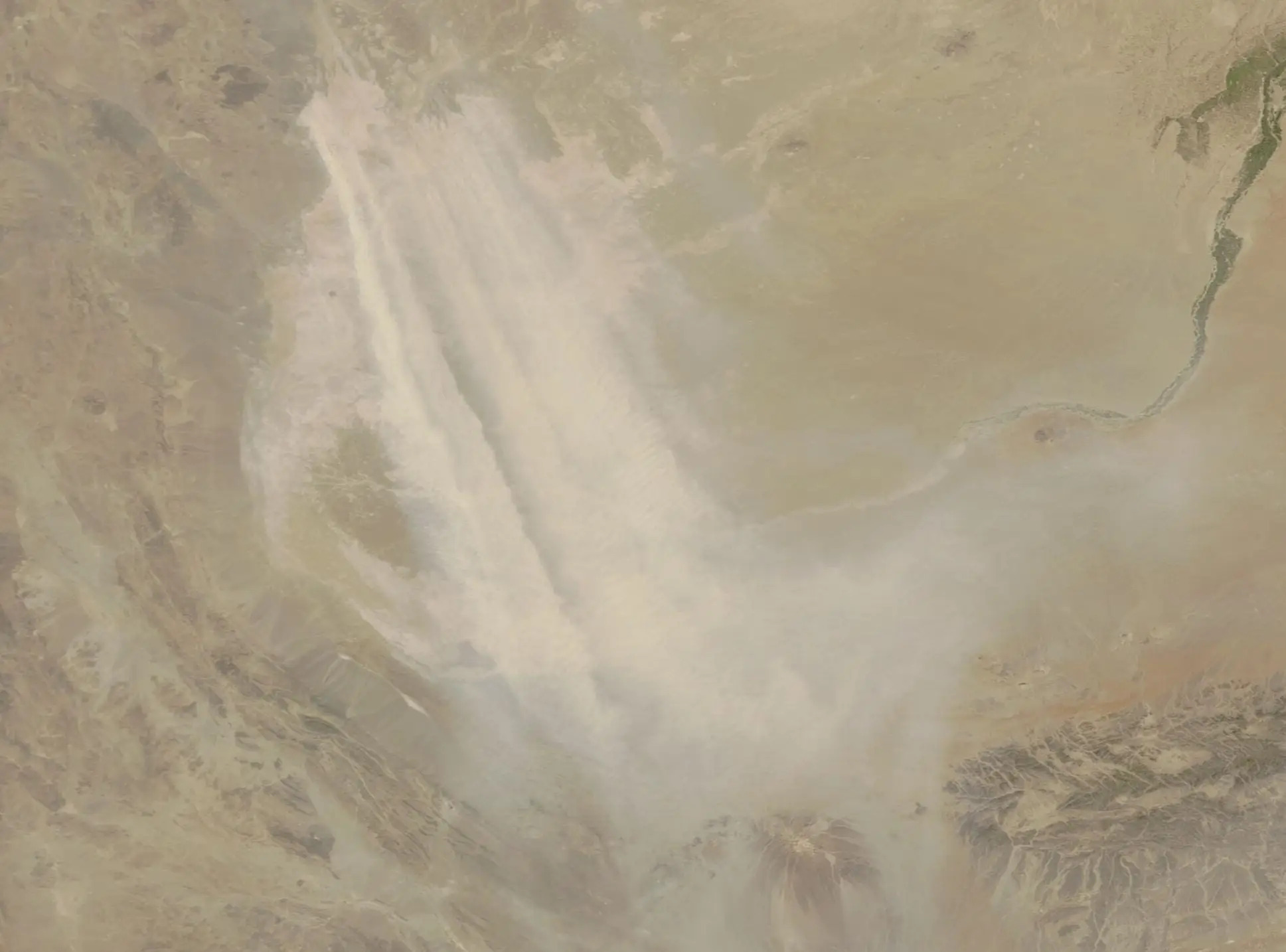
Dust lifted from dried lakebeds and degraded land travels hundreds of kilometres, crossing borders and filling the air people breathe.
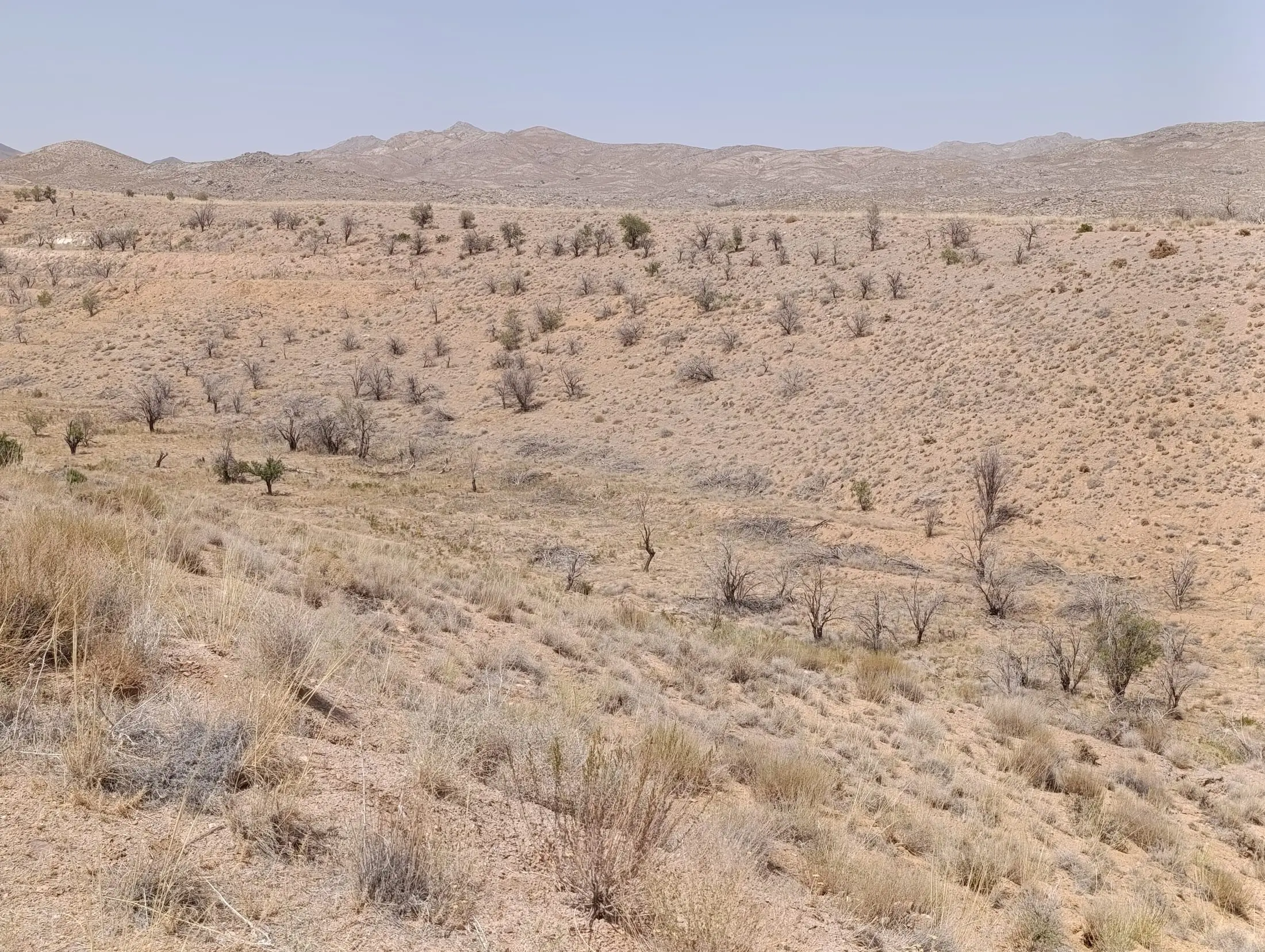
Drought and falling groundwater leave orchards and rangeland dying, and push families in farming villages to leave.
No testimony is published without clear consent that can be withdrawn.
We protect the identity of people at risk; anonymity is the default.
We publish the data, methods and limitations alongside every study.
Major reports are reviewed by independent experts before publication.
An interactive map of the links between environmental harm and displacement, built on open data.
Documented testimony from affected communities, under a full ethical protocol.
Research reports and policy briefs with permanent identifiers (DOI).
If you work on related questions, we would love to talk.